

In this article
Melbourne homeowners now have more tools than ever to take control of their electricity costs. With the Victorian Midday Power Saver launching on 1 October 2026, solar feed-in tariffs declining and battery technology improving rapidly, the way you manage energy at home needs to be smarter than simply installing panels and hoping for the best.
This guide explains how to combine solar, battery storage and EV charging into a system that works together, and how the new free power hours change the strategy for each.
The Energy Landscape Has Changed
A few years ago, the calculus was simple. Install solar panels, use power during the day, export the rest and collect a feed-in tariff. That model is becoming less effective for several reasons:
- Feed-in tariffs have dropped to 4 to 5 cents per kWh in Victoria, making exports far less valuable
- Evening electricity rates have climbed to 25 to 40 cents per kWh on time-of-use tariffs
- The Victorian Midday Power Saver now provides free grid electricity from 11am to 2pm daily
- Battery prices have come down significantly, making self-consumption more financially viable
- More households own electric vehicles that represent a major new electricity load
The result is that a passive approach to solar no longer captures the full value. Smart energy management means coordinating when you generate, store, use and export electricity to minimise what you pay.
The Optimal Setup for Melbourne Homes in 2026
Solar Panels: Still the Foundation
A quality solar panel system remains the starting point. For a typical Melbourne home, a 6.6kW to 10kW system generates enough power to cover most daytime use and charge a battery. The key difference now is how you use that generation.
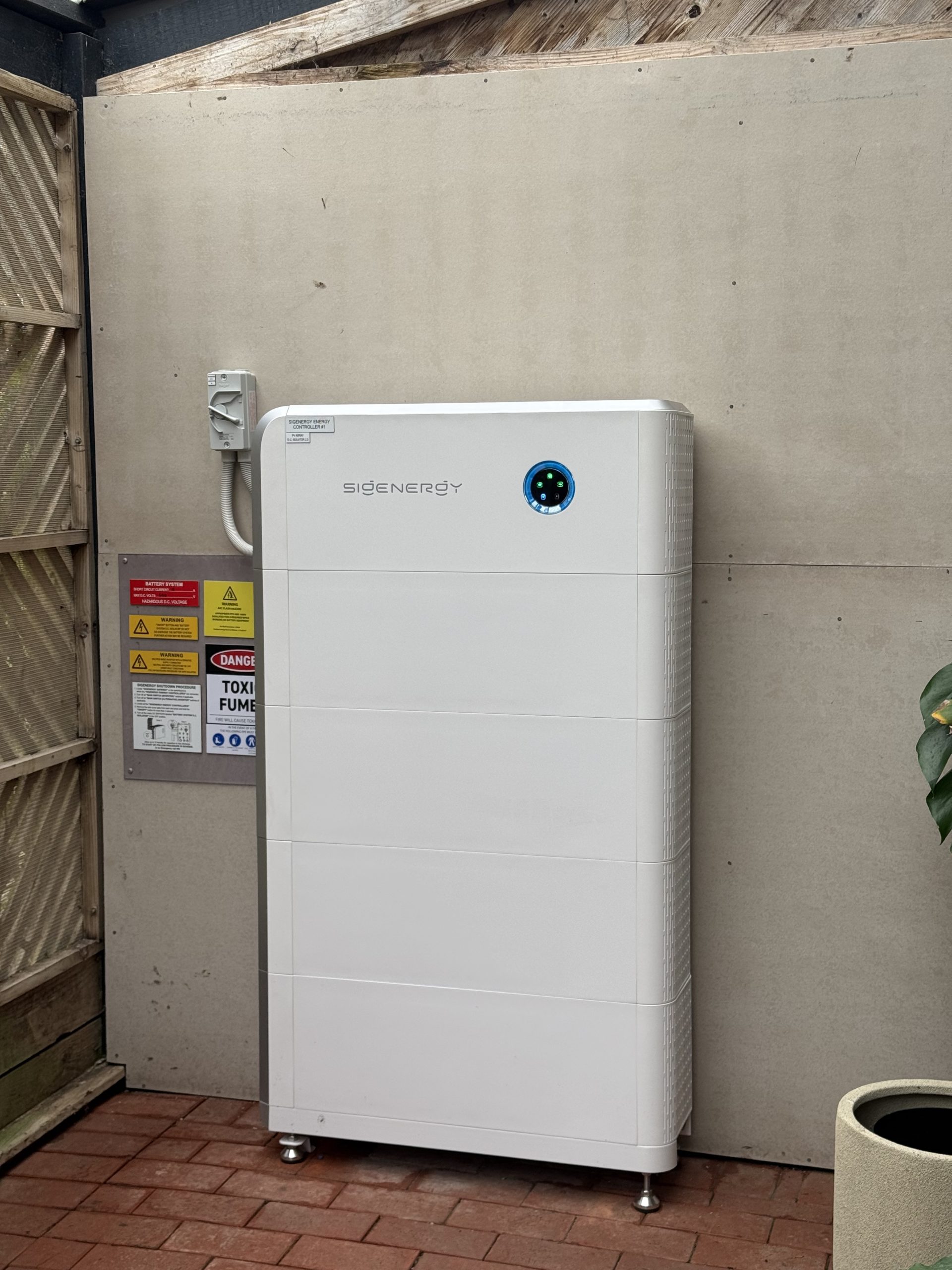
Home battery systems store free midday solar power for evening use.
With free grid power available from 11am to 2pm, your solar generation during those peak hours is most valuable when directed into battery storage rather than used immediately. Your house runs on free grid electricity during the middle of the day, while your panels fill the battery for the expensive evening hours.
Battery Storage: The Game Changer
A home battery system is what ties everything together. In 2026, the leading options include:
- Sigenergy. Our top recommendation for integrated systems. The Sigenergy platform combines a hybrid inverter with modular battery storage and an integrated EV charger, all managed through a single intelligent system. We recently completed a 48kWh Sigenergy installation in Richmond that demonstrates the full capability.
- Tesla Powerwall. Well established with strong software and a good track record. The Tesla ecosystem works well for households already committed to Tesla vehicles.
- Sungrow. Competitive pricing with solid performance. A good option for cost-conscious installations.
The ideal battery capacity depends on your evening consumption, but most Melbourne homes benefit from 10 to 15kWh of storage. For a detailed comparison, see our battery comparison guide.
EV Charging: Timing Is Everything
An electric vehicle can use 30 to 50kWh per week for typical Melbourne commuting. How you charge it has a significant impact on your overall energy costs.
Before the Midday Power Saver, the best strategy was to charge from solar during the day. Now there is a better approach for many households:
- 11am to 2pm: Charge your EV from the free grid power. A 7kW home EV charger adds about 21kWh in three hours, enough for 120 to 150km of driving, at zero cost.
- Daytime outside free hours: If you need more charge, use excess solar rather than buying from the grid.
- Never charge during evening peak: This is when electricity is most expensive. Smart chargers from Sigenergy, Tesla and Fronius all support scheduled charging to avoid peak rates.
For households with both a battery and an EV, the system needs to be configured so the EV charges from the grid during free hours while solar fills the house battery. This requires proper system design, not just plugging things in.
Smart Switchboards: The Home Energy Brain
All of this coordination depends on your switchboard. A modern smart switchboard acts as the central hub for energy management, routing power between solar, battery, EV charger, grid and household circuits based on time of day, tariff rates and system state.
If your switchboard is more than 15 years old, it almost certainly cannot support this level of management. A switchboard upgrade is not just about safety (though that matters too). It is about having the infrastructure to manage energy intelligently.
A properly configured smart switchboard can:
- Prioritise free grid power during midday hours for heavy loads
- Direct solar generation to battery storage during the free power window
- Switch to battery power automatically when evening peak rates begin
- Manage EV charging schedules to avoid peak pricing
- Monitor circuit-level consumption so you can see exactly where power is going
Real Numbers: What Does This Save?
For a Melbourne household with average consumption of 20kWh per day, here is what the savings look like with different setups:
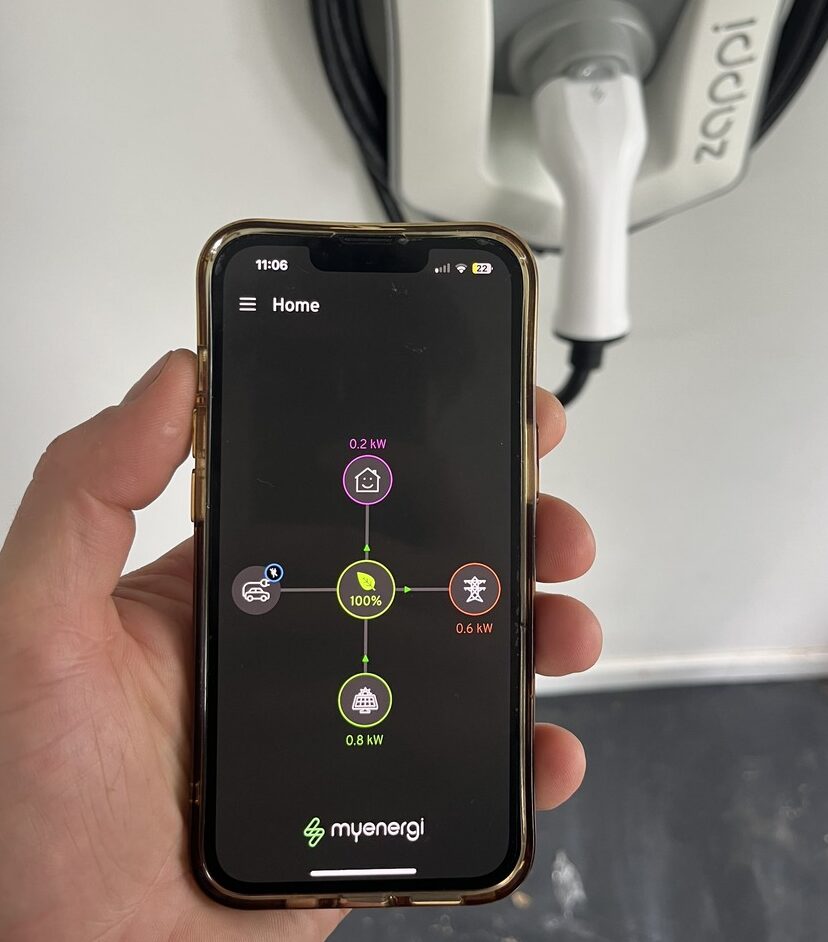
Every EV charger installation is load-tested to verify safe operation.
- No solar, no battery: Approximately $2,500 to $3,000 per year in electricity costs
- Solar only (6.6kW): Approximately $1,200 to $1,600 per year after solar offsets
- Solar plus battery (10kWh): Approximately $400 to $800 per year
- Solar plus battery plus Midday Power Saver: Approximately $200 to $500 per year
- Full system (solar, battery, EV on free charging, smart switchboard): Approaching net zero electricity cost for many households
The additional savings from the Midday Power Saver are most significant for battery owners because the free grid power frees up solar generation to charge the battery more fully, reducing evening grid purchases to near zero.
Getting the Design Right
A system that combines solar, battery, EV charging and smart switchboard management needs to be designed as a whole, not assembled piece by piece from different installers. The inverter, battery, charger and switchboard all need to communicate, and the energy management logic needs to be configured correctly for your household’s usage patterns.
As a NETCC Approved Seller and certified new energy technology installer, Carlin Co Electrical designs and installs complete home energy systems. We handle the solar, battery, EV charger, switchboard upgrade and system configuration as a single integrated project.
Frequently Asked Questions
Should I charge my EV from solar or from the grid during free power hours?
During the free power hours (11am to 2pm), charge your EV from the free grid electricity. Direct your solar generation into your battery instead. This maximises the value of both free grid power and your solar investment.
What size battery do I need for a Melbourne home?
Most Melbourne homes benefit from 10 to 15kWh of battery storage. This is typically enough to cover evening and overnight consumption using solar energy stored during the day.
Do I need a new switchboard for a solar and battery system?
If your switchboard is more than 15 years old, a switchboard upgrade is usually required. Modern solar, battery and EV charging systems need a switchboard that supports smart metering, dedicated circuits and load management.
What is the best home battery in Melbourne in 2026?
Sigenergy, Tesla Powerwall and Sungrow are the leading options. Sigenergy offers the best integration with a combined inverter, battery and EV charger in one platform. Tesla has strong software. Sungrow offers competitive pricing.
Design Your Complete Home Energy System
Solar, battery, EV charging and smart switchboard upgrades, designed as one integrated system. Carlin Co Electrical builds complete energy solutions for Melbourne homes.
REC Licence 33210 | Carlin Co Electrical | Port Melbourne VIC 3207
Need an Electrician in Melbourne?
Carlin Co Electrical services all of Melbourne with licensed, insured electricians.
Get a Free QuoteOur Services